

 See My Latest Article on HelloNation
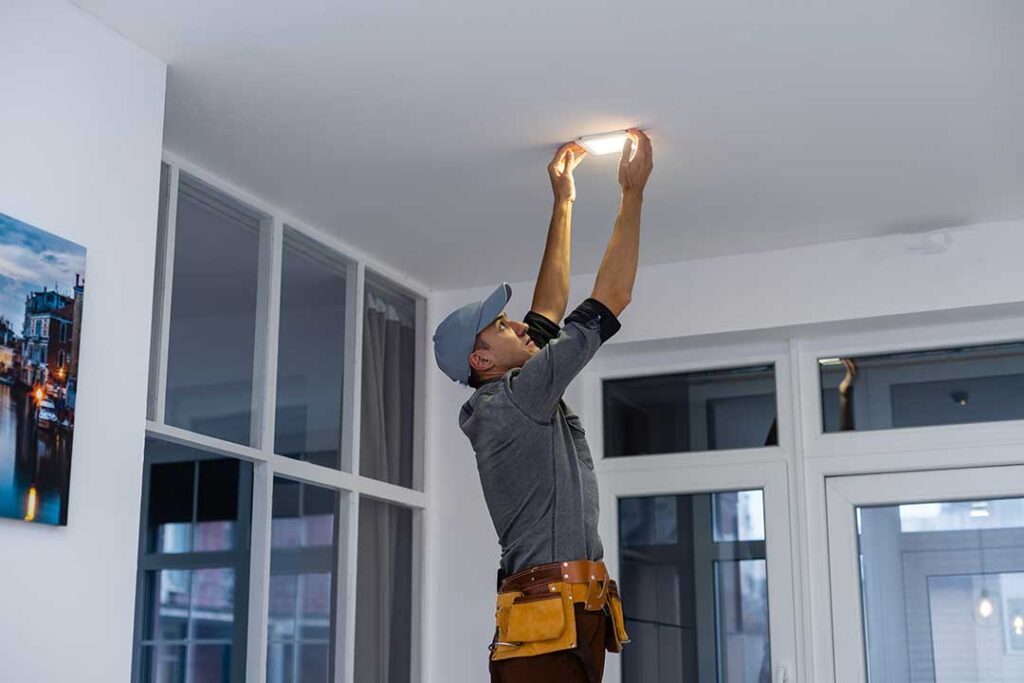
What Are Common Warning Signs of Electrical Problems in Cleveland, TN Homes?
Residents in Cleveland, TN should be aware of certain signs that may point to electrical issues in their homes. Recognizing these early can help prevent safety hazards and larger repairs down the line. Some common signs to watch for include:
- Frequently tripped circuit breakers or blown fuses
- Flickering or dimming lights
- Outlets or switches that feel warm, have scorch marks, or make buzzing noises
- Persistent burning smells from outlets or appliances
- Outlets that stop working or plugs that fit loosely
These symptoms often indicate underlying concerns that require attention, especially in older homes or houses with frequent power fluctuations due to weather patterns common in the region.
Why Do Circuit Breakers Keep Tripping in Area Households?
Circuit breakers trip to protect your home's wiring from overheating and potentially causing a fire. If this happens repeatedly, it generally means there's an overload, short circuit, or ground fault.
- Overloading occurs when too many high-wattage appliances run on the same circuit—common during peak heating or cooling periods.
- Short circuits can result from damaged wiring inside walls, harsh winter temperatures, or rodents chewing cables in crawl spaces.
- Ground faults, sometimes caused by moisture intrusion unique to our local climate, redirect electricity to the ground and may trip a GFCI outlet.
Resetting the breaker is safe for a rare occurrence, but frequent tripping may indicate a need for a closer inspection.
Is It Normal for Lights to Flicker During Storms or High Winds?
Occasional light flicker can be typical during storms due to brief interruptions in power supply. However, if lights flicker, dim, or brighten regularly—even on calm days—it may point to:
- Loose wiring connections, especially in older housing stock
- Overloaded circuits in rooms with many electronics or window AC units
- Faulty light switches or fixtures
Flickering limited to a single fixture often means a loose bulb or socket, but widespread flickering deserves more attention. In regions prone to strong storms, it's not uncommon for wiring stress or wear to show up this way.
What Should You Do If an Outlet or Switch Feels Hot?
Electrical outlets and switches should never feel hot during normal use. If you notice warmth, discoloration, or smell a faint burning odor, it's essential to stop using that outlet and unplug any connected device.
These signs could result from:
- Overloaded outlets, especially in rooms with power strips or multiple adapters
- Loose wire connections behind the wall plate
- Faulty components inside the outlet or switch
Heat indicates that electricity is not being safely contained, which increases the risk of fire. Especially in older houses, the wiring may not meet the demands of modern electronics and appliances.
Are Buzzing and Crackling Sounds Serious?
Hearing a subtle hum from large appliances is generally normal, but if switches, outlets, or breaker panels emit buzzing or crackling sounds, it's often a sign of:
- Loose wiring or terminal screws
- Worn or damaged outlets that no longer hold plugs snugly
- Faulty circuit breakers or panels from aging infrastructure

These sounds happen due to arcing—when electricity jumps a gap or loose connection. If ignored, it can deteriorate wires and lead to more severe hazards.
Why Do Outlets Sometimes Stop Working Without Warning?
A single dead outlet might result from a tripped breaker or GFCI outlet. If an entire room loses power, it's likely a breaker issue. However, if specific outlets stop working—especially if accompanied by burning smells, scorch marks, or loose plugs—it could be caused by:
- Interior wire damage from rodents or humidity
- Age-related wear, especially in older construction frequently found in the area
- Faulty or outdated outlet hardware that no longer makes secure internal connections
Resetting a tripped GFCI (often found in kitchens, bathrooms, or garages) may restore power, but persistent failures need further investigation.
What Electrical Issues Are More Common in the Local Climate?
Cleveland residents experience a mix of humid summers, wet springs, and occasional cold snaps in the winter. These conditions can impact electrical safety and common warning signs:
- Moisture intrusion can cause GFCI outlets to trip or corrode outdoor and basement outlets.
- Seasonal use of space heaters or portable AC units can strain older circuits not designed for high loads.
- Shifting soil or settling foundations may stress buried or concealed wiring, causing periodic faults.
- Thunderstorms may overwhelm surge protection, shortening the lifespan of sensitive electronics.
Homeowners should be aware that local weather patterns can accelerate some electrical problems compared to drier or more temperate regions.
Can You Ignore Minor Electrical Oddities?
Minor quirks like one flickering bulb or a single tripped breaker after plugging in a new appliance often aren’t immediate cause for concern. However, ongoing issues—like repeated tripping, widespread flickering, or odd smells—should prompt action.
Overlooking early signs can lead to larger risks:
- Wire insulation can degrade further, creating shock or fire hazards.
- Appliances or devices may be damaged by inconsistent power delivery.
- Insurance claims may be denied if obvious warning signs were not addressed.
Whenever unsure, it’s always safer to unplug affected equipment and stop using any suspicious outlets until a more thorough assessment can be made.