

 See My Latest Article on HelloNation

How Can You Tell If Your Home’s Wiring Is Outdated?
Older wiring systems are common in both historic and mid-century homes in Cleveland, TN, and knowing if your property’s electrical system is up to date is essential for safety. Outdated wiring is often hidden behind walls, making warning signs especially important to recognize before small issues become serious.
Clues your home’s wiring might need to be evaluated include frequent blown fuses, flickering lights, or outlets that feel warm to the touch. Homes built before the 1970s are more likely to have unsafe or undersized wiring for modern electrical demands, especially in neighborhoods with a lot of older brick or ranch-style homes.
What Problems Can Outdated Wiring Cause?
Faulty or old wiring doesn’t just lead to inconvenience—it can pose significant risks. Outdated electrical systems are a leading cause of house fires, particularly during peak heating and cooling months when local households use more energy.
Some potential issues stemming from aging wiring include:
- Overloaded circuits leading to tripped breakers
- Failure of outlets or switches to hold plugs securely
- Staining or black marks around outlets or switches
In wet or humid conditions, which can be common after heavy rain in the Cleveland area, older or degraded insulation around wires may break down more quickly, increasing risk.
Are There Visible Warning Signs in My Home?
Certain signs indicating a wiring problem can be seen or felt, even without opening up walls. Look for the following around your living spaces:
- Flickering or dimming lights, especially when large appliances run
- Light switches or outlet covers that are hot to the touch
- A persistent burning smell, even if it’s faint or comes and goes
- Outlets that spark, buzz, or emit an unusual sound
- Discoloration on switch or outlet plates
If any of these are present—even occasionally—it is a strong indicator your home may be due for a professional assessment.
How Do Age and Renovations Affect My Electrical System?
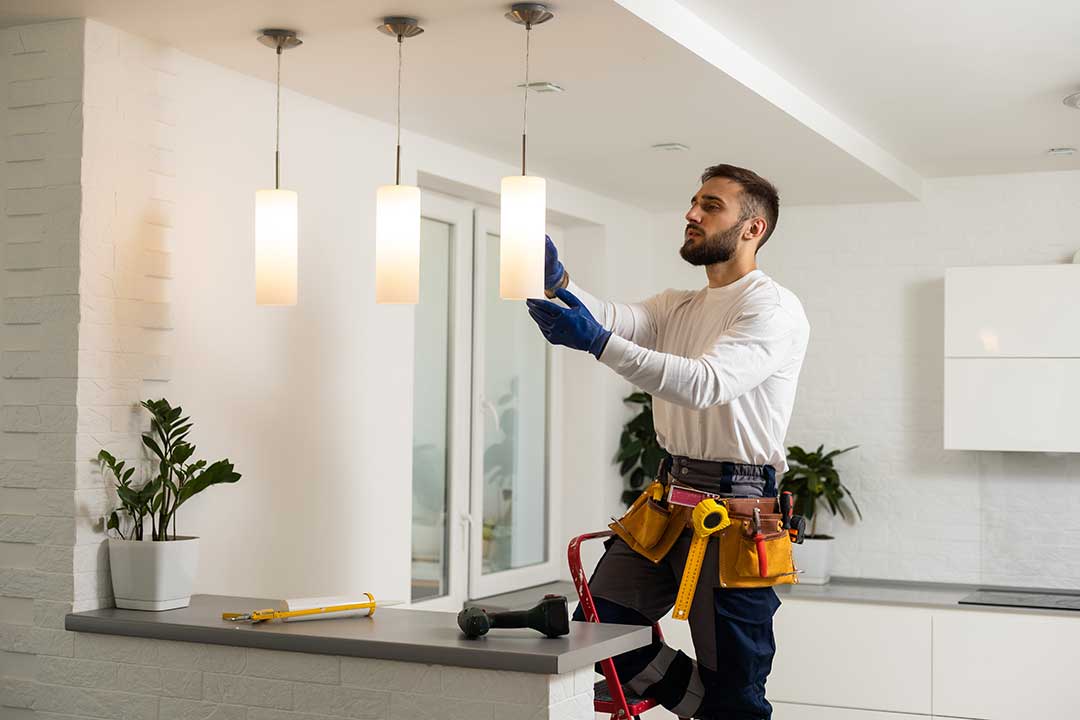
Houses that have been renovated without updating the wiring can be particularly vulnerable. Many older homes in the area have had new lighting, appliances, or HVAC systems added over the years, placing higher demands on circuits not designed for today’s usage.
For homes predating the widespread use of grounded outlets (with three holes instead of two), the absence of proper grounding can make electrical shocks or damage to electronics more likely. Knob-and-tube wiring or aluminum wiring, both used in past decades, are now considered unsafe by current electrical codes.
Is My Electrical Panel a Clue?
The main electrical panel provides several hints about wiring status. If your panel still uses fuses rather than breakers, or if it is rated below 100 amps, it was likely not intended for current household needs. Frequent panel trips or visible rust also signal potential trouble. Homes with additions or extensive remodeling sometimes have makeshift subpanels or visible add-ons, which may not be up to current local safety code.
What Are Common Misconceptions?
Many residents believe if “the lights work, the wiring is fine.” However, just because your outlets and lights function doesn’t mean your home is safe. Hidden hazards like deteriorating insulation or improperly spliced connections won’t always stop your power but can still create risks.
Another misconception is that the presence of newer outlets or switches guarantees updated wiring throughout. In reality, it’s not unusual for only surface-level repairs to be made while major issues remain unseen inside walls.
How Do Local Conditions in Cleveland Influence Wiring Wear?
Seasonal humidity, temperature swings, and pests such as rodents can all accelerate wear on wiring insulation found in attics, crawl spaces, and wall cavities around the area. Homes that experience flooding, whether from burst pipes or storm runoff, may see corrosion on unprotected wiring faster than homes in drier climates.
Neighborhoods where homes are built close together may also experience more frequent upgrades due to higher household density and coinciding community-wide energy demands.
What Should Homeowners Do If They Suspect a Problem?
If you notice any of the above signs or live in a home built before the 1980s that has not had a recent electrical upgrade, your next best step is to prioritize household safety. Reducing the use of extension cords, ensuring smoke detectors are functional, and not overloading outlets are sensible precautions while you seek further evaluation.
For any signs of burning smells, repeated breaker trips, or visible wiring issues, immediate attention may be necessary to avoid greater risk to property and occupants. Local building codes often require wiring updates to meet current safety standards when major renovations or additions are planned.