

 See My Latest Article on HelloNation

What Causes a Breaker to Trip in Local Homes?
A circuit breaker trips when it detects an electrical fault, usually to protect your home’s wiring from overheating. In Cleveland, TN, tripped breakers most often occur during heavy appliance use—especially if space heaters, air conditioners, or kitchen equipment are running simultaneously. Short circuits, ground faults, or overloaded outlets cause the breaker to automatically flip, cutting power to prevent potential fire hazards.
Common scenarios in area households include:
- Running multiple small appliances on the same circuit during hot or cold spells
- Using older extension cords or multi-outlet adapters in older homes
- Plugging in high-draw devices like vacuums or hair dryers
Understanding the source can help residents prevent repeat interruptions and improve home safety.
How Can You Tell Which Breaker Has Tripped?
A tripped breaker is usually easy to spot but worth identifying carefully. In a typical Cleveland home, breakers are housed in a metal panel—often in a hallway, basement, garage, or utility room. The panel door should swing open to reveal a row of switches.
Look for:
- A switch that is set between ON and OFF (sometimes with a slight jiggle or loose feel)
- A visible orange or red indicator on some breaker handles
- Labels next to switches, such as “Kitchen” or “Bedroom,” to help you find the affected area
Listening for silence (no refrigerator hum, no HVAC noise) or checking for unresponsive lights and outlets can help confirm which breaker controls the circuit that lost power.
What Steps Should You Take Before Resetting a Breaker?
Before flipping any switches, pause to ensure safety for yourself and your home. Resetting a breaker while a fault persists can return power abruptly, posing risks like electrical shock or further equipment damage.
Recommended steps:
- Unplug or turn off appliances and devices that were running on the affected circuit (such as microwaves, lamps, or TVs)
- Make sure your hands are completely dry—never touch the panel with wet skin
- Stand to the side when opening the panel door; avoid blocking your view or standing directly in front of the box
- Examine (visually only) for any burning smell, scorch marks, or signs of moisture inside the panel; if found, do not proceed, and ensure everyone stays away from the panel
These precautionary steps help local residents avoid surprises and minimize risks during restoration.
How Do You Properly Reset the Breaker?
Resetting a tripped breaker is usually straightforward:
1. Use one hand to firmly push the switch all the way to the OFF position.
2. Pause for a count of three.
3. Push the switch back to the ON position until it clicks.
If the breaker stays in ON, this usually restores electricity to the affected area. If it immediately trips again, leave it OFF and investigate further before repeating the process.
Tips for safer resets:
- Only touch the plastic breaker handle; don’t touch metal components in the panel
- Use a flashlight if the area is dark, so you don’t make mistakes finding the right switch
- Calmly reset one breaker at a time; don’t attempt to flip multiple breakers in a single motion
What Should You Do If the Breaker Trips Again or Won’t Reset?
If your breaker flips again or will not reset after this process, it’s a clue that there’s a deeper electrical issue. Persistent tripping indicates unresolved overload, short circuit, or wiring fault in the home.
Common reasons for repeat tripping in the community include:
- Plugging too many devices into a single outlet or extension cord
- A malfunctioning appliance drawing too much current
- Aging or damaged wiring, especially in older housing stock
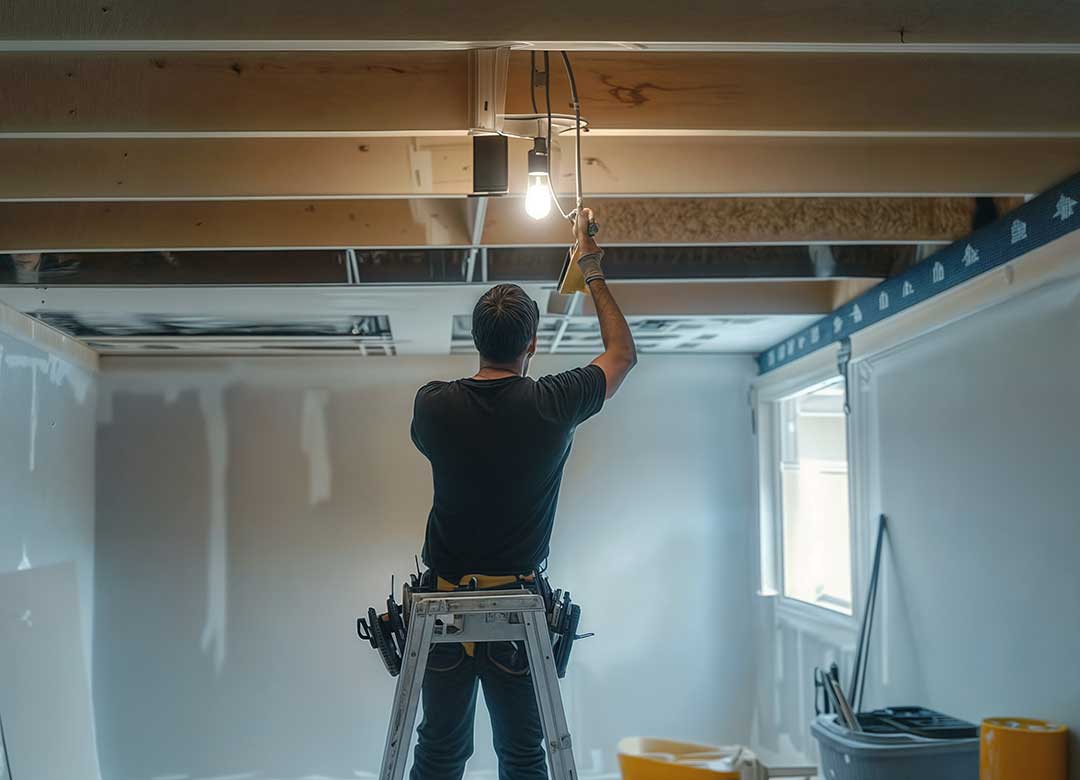
Do not force the breaker or keep trying repeatedly. If resetting fails twice, keep the breaker OFF. For persistent electrical issues or any sign of burning or sparking, safety and code compliance are top priorities: further troubleshooting or repair may require a licensed electrician.
Are There Local Seasonal Factors That Affect Breaker Performance?
In the Cleveland area, weather-related surges and seasonal appliance use contribute to breaker activity. During hot, humid summers, air conditioners, fans, and kitchen appliances often operate simultaneously. Cold spells may put extra load on portable heaters, holiday lighting, or dehumidifiers.
Area households with:
- Outdated wiring
- Limited circuits per room
- Increased reliance on extension cords (especially in converted home offices or garages)
…may experience more frequent tripping, especially if circuits were not originally designed for modern power loads.
What Are Some Misconceptions About Resetting Breakers?
Several misunderstandings can create hazards or unnecessary worry:
- It’s not necessary to reset every breaker—only the one that tripped, which is usually offset or marked visually
- Simply flipping a breaker without removing the cause may leave your home vulnerable to future hazards
- Taping or jamming a breaker to force it “on” is dangerous and violates fire codes
- Repeated tripping is not “normal,” even in older homes; ignore it only if you are prepared for the risk
A cautious, informed approach helps community members resolve minor events confidently while recognizing when a simple reset is not enough.
How Can Area Residents Prevent Future Breaker Trips?
Proactive steps can reduce the inconvenience and potential safety concerns associated with tripped breakers:
- Spread out high-wattage appliance use, especially during extreme weather
- Avoid daisy-chaining extension cords or plugging multiple devices into a single outlet
- Label the main panel to make quick identification easier
- Schedule regular inspections if you’ve recently added major new appliances or suspect aging wiring
- Gently reset breakers, avoiding slamming or excessive force
Being aware of the home’s electrical limits and seasonal patterns in the city can help reduce both risk and disruption.