

 See My Latest Article on HelloNation
What Does It Mean When a Circuit Breaker Trips?
A circuit breaker trip is a built-in safety feature that temporarily cuts power to part of your home's electrical system. This automatic shutoff helps prevent electrical fires, damage to wiring, and injuries. For many households in Cleveland, TN, a tripped breaker can be as simple as losing power to a few outlets, but understanding why it happens can help residents respond safely and prevent future issues.
Why Do Breakers Trip in Local Homes?
Usually, a breaker trips because it detects conditions that could pose a hazard. The most common reasons include:
- Overloaded circuits
- Short circuits
- Ground faults
- Faulty appliances or wiring
Each of these has specific causes, and small differences in how homes are used or wired throughout the city can make some residents more likely to run into these problems—especially in older houses or during heavy appliance use in winter and summer.
How Does Overloading a Circuit Happen?
Overloading is the most frequent cause of breaker trips in the community. This means too many devices are drawing electricity from the same circuit at once. For example, plugging in a space heater, microwave, and air conditioner on a single kitchen or living room circuit can push it past its safe operating limit.
This is especially common during colder months when extra electric heaters, heated blankets, or holiday lights are in use. Homes in the area sometimes have older wiring or fewer outlets per room, making it easier to overload a single circuit out of convenience.
Signs an Overload Has Occurred
- The breaker trips as soon as you plug in or turn on an additional device
- Lights dim or outlets feel warm before the trip
- Only specific outlets or rooms lose power
Spreading high-wattage appliances across different outlets (linked to separate breakers) can reduce overload risk. Unplugging a device before resetting the breaker often keeps it from tripping again.
What Is a Short Circuit and How Does It Cause Tripping?
A short circuit occurs when a hot wire (carrying current) touches a neutral wire or another path, creating a sudden surge of electrical current. This surge is dangerous and instantly cuts off the affected circuit.
Short circuits are typically caused by:
- Damaged wiring from rodents or aging insulation
- A faulty appliance or lamp with internal wiring problems
- Incorrect installation or worn outlets and switches
Evidence of a short circuit usually includes a noticeable burning smell, darkened or scorched outlets, or visible sparks. Residents should avoid touching or resetting a breaker if they suspect a short circuit, as this can be unsafe without first addressing the underlying problem.
What Is a Ground Fault and Where Are They Common?
A ground fault occurs when electricity strays outside its intended path—often through moisture, damaged devices, or faulty outlets—typically toward a grounded surface. In homes in Cleveland, ground faults are most likely to happen in kitchens, bathrooms, laundry rooms, garages, and outdoor circuits because of greater exposure to water and humidity.
Ground Fault Circuit Interrupters (GFCIs) are designed to protect these spaces. If a ground fault is detected, the breaker will trip instantly to safeguard against shock or electrocution.
Frequent ground fault trips usually signal:
- Wiring problems near sinks or water sources
- Moisture intrusion into outlets after storms or plumbing leaks
- Faulty appliances like hairdryers, washing machines, or outdoor tools
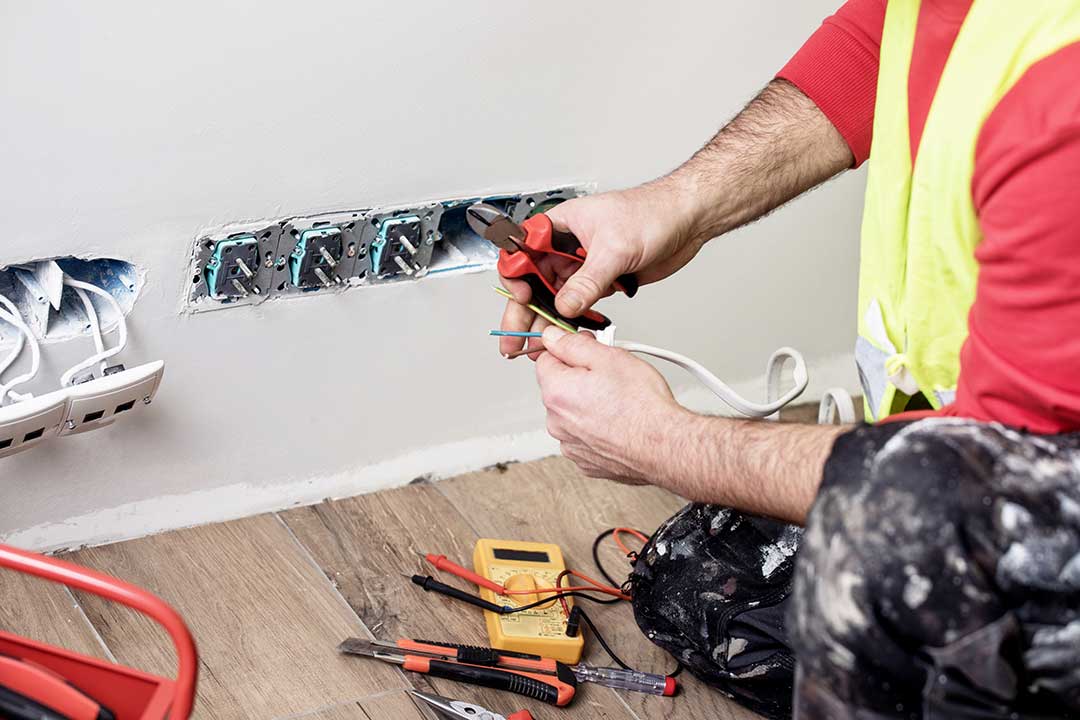
Drying out affected outlets and unplugging damaged appliances can sometimes resolve these trips, but persistent issues suggest a wiring or moisture problem that may require further inspection.
Can an Appliance or Fixture Itself Cause Breaker Tripping?
Yes. Occasionally, a single faulty lamp, space heater, or kitchen appliance will trip a breaker each time it is plugged in or turned on. Internal wiring faults, shorted heating elements, or even frayed power cords can all produce too much current or create unsafe connections.
For example:
- An old window AC unit may develop a short circuit inside its motor
- A toaster might trip the breaker after a liquid spill or crumb buildup
- Holiday decorations may have twisted or broken wires after storage
If the breaker only trips when a certain device is used, avoid plugging it back in until a replacement or proper repair is made.
Are Tripped Breakers a Sign of a Serious Problem?
While most trips result from common household habits, repeated or persistent tripping may signal a deeper issue. Old wiring (found in some of Cleveland’s historic neighborhoods), aluminum or cloth-insulated cables, or incorrect breaker sizes increase the risk.
If you find scorch marks, repeated trips without clear cause, or breakers that fail to reset, the safest step is to stop using affected outlets and have an inspection performed to rule out fire or shock hazards.
What Should Be Checked Before Resetting a Breaker?
Before flipping a breaker back on, look for:
- Signs of scorching, melting, or burning at outlets or on the breaker itself
- Moisture or leaks near affected outlets or fixtures
- Whether a particular appliance or recent activity likely caused the trip
Remove high-wattage devices and clear any possible hazards. Only reset the breaker if you’re confident the cause has been addressed. If it trips again immediately, further inspection is needed.
What Are Some Overlooked Causes of Tripping in the Area?
Seasonal storms and high humidity sometimes lead to moisture buildup in exterior outlets or unfinished basements, creating conditions for ground faults or electrical shorts. Households that use extension cords frequently—even for tools on porches, garages, or sheds—may inadvertently overload circuits not designed to handle prolonged, high-current loads.
Home improvement projects, such as adding more lighting, outlets, or garage equipment, can unintentionally exceed the safe limits of existing wiring, resulting in sudden trips the first time the new load is used.