

 See My Latest Article on HelloNation
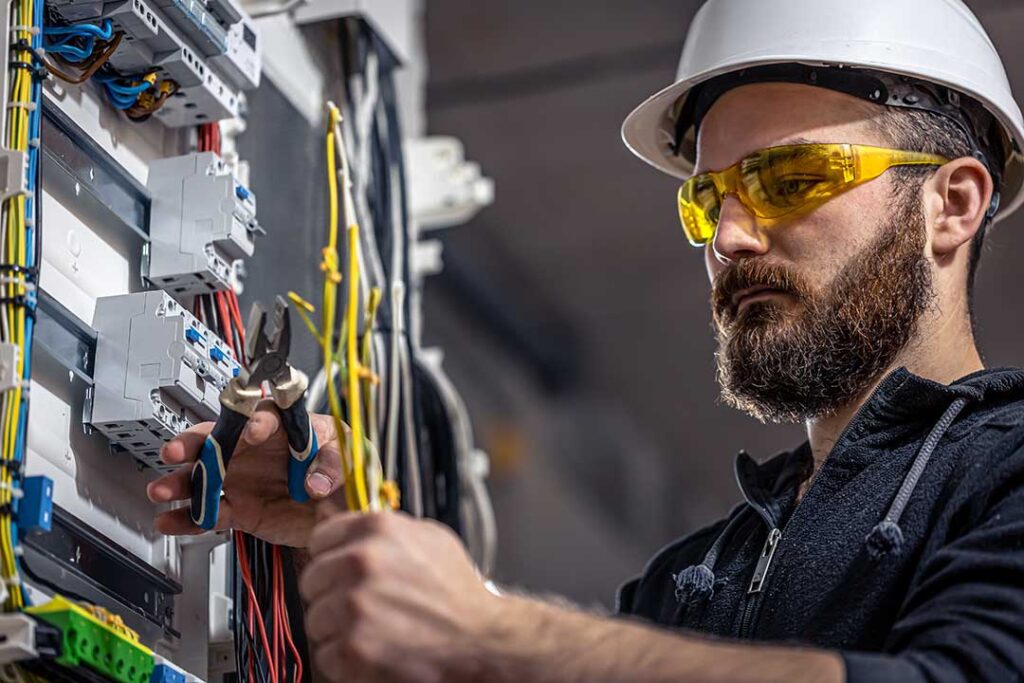
Electrical panels are the control centers of a home’s electrical system. Understanding the breakers, labels, safety devices, and warning signs can help Cleveland, TN residents respond safely to a tripped circuit and recognize conditions that require electrical expertise.
What does an electrical panel do?
An electrical panel receives power from the utility service and distributes it through individual circuits. Each circuit supplies electricity to part of the home, such as lighting, receptacles, kitchen appliances, heating equipment, or an outdoor area.
The panel also provides overcurrent protection. If a circuit draws more electricity than its wiring can safely handle, the associated circuit breaker should trip and interrupt the flow of power. This helps protect wiring from overheating.
Most homes have one main service panel, although some properties also have a subpanel. A subpanel may serve an addition, detached structure, finished basement, workshop, or another area that needs more circuits.
What are the main parts of a panel?
A typical residential panel contains several components:
- Main disconnect: This controls power to the panel’s branch circuits. Turning it off does not necessarily make every part of the panel safe to touch because incoming service conductors may remain energized.
- Circuit breakers: These protect individual circuits from overloads and short circuits.
- Bus bars: These conduct electricity from the service connection to the breakers.
- Neutral and grounding bars: These provide connection points for neutral conductors and grounding conductors, depending on the panel’s location and configuration.
- Panel directory: This should identify which rooms, outlets, or appliances are served by each breaker.
- Panel cover: The metal cover protects occupants from energized components. It should remain securely installed.
Breaker sizes are measured in amperes, commonly written as amps. A 15-amp breaker and a 20-amp breaker are not interchangeable simply because a circuit keeps tripping. The breaker size must match the circuit wiring and equipment.
Why does a circuit breaker trip?
A breaker usually trips because it detects an unsafe electrical condition. The most common causes are an overloaded circuit, a short circuit, a ground fault, or a problem with an appliance or wiring.
An overload can happen when several high-demand devices operate on the same circuit. For example, a portable heater, hair dryer, and vacuum may draw more current than a single household circuit can safely supply.
A short circuit occurs when energized conductors make unintended contact. This can create a very high current flow and cause the breaker to trip immediately. A ground fault occurs when electricity takes an unintended path toward ground, which can create a shock hazard.
A single trip may result from a temporary overload. Repeated trips, immediate trips after resetting, buzzing sounds, or visible damage indicate that the cause needs to be investigated rather than repeatedly reset.
How can a homeowner safely reset a tripped breaker?
If a breaker has tripped, turn off or unplug the appliances connected to that circuit before attempting a reset. Move the breaker firmly to the fully “off” position, then back to “on.” Some breakers appear to be on even when they have tripped, so moving them fully off first is necessary.
If the breaker trips again, leave it off. Do not hold it in the on position, replace it with a larger breaker, or keep resetting it. Those actions can allow wiring to overheat or conceal a dangerous fault.
A circuit directory may not be completely accurate, particularly in older homes or after remodeling. Testing outlets and lights carefully can help identify what the circuit serves, but opening the panel or removing its cover is not part of a routine reset.
What are AFCI and GFCI breakers?
AFCI and GFCI protection address different hazards.
An arc-fault circuit interrupter, or AFCI, is designed to detect dangerous electrical arcing that may occur in damaged wiring, loose connections, or deteriorated cords. Arc faults can produce heat without creating the same conditions as a traditional short circuit.
A ground-fault circuit interrupter, or GFCI, monitors the balance of electricity moving through a circuit. If some current begins traveling through an unintended path, such as a person or a wet surface, the device can shut off power rapidly.
GFCI protection is commonly associated with kitchens, bathrooms, garages, outdoor receptacles, laundry areas, crawl spaces, and other locations where moisture may be present. AFCI protection is commonly used for many living areas and sleeping areas under modern electrical requirements. The exact application depends on the home’s construction date, alterations, and adopted code requirements.
Some protective devices are installed as breakers in the panel, while others are installed at receptacles. A GFCI receptacle may protect additional outlets farther along the same circuit.
What panel conditions are warning signs?
A panel should be inspected when it shows visible or unusual signs of trouble. Warning signs include:
- Burning odors, smoke, or melted plastic
- Discoloration around breakers
- Rust, corrosion, or water staining
- Crackling, buzzing, or sizzling sounds
- Breakers that feel hot
- Breakers that trip frequently
- Missing knockouts or open spaces in the cover
- Flickering lights combined with unusual panel sounds
- Loose, damaged, or exposed wiring
- A panel installed where moisture, stored materials, or physical impact may threaten it
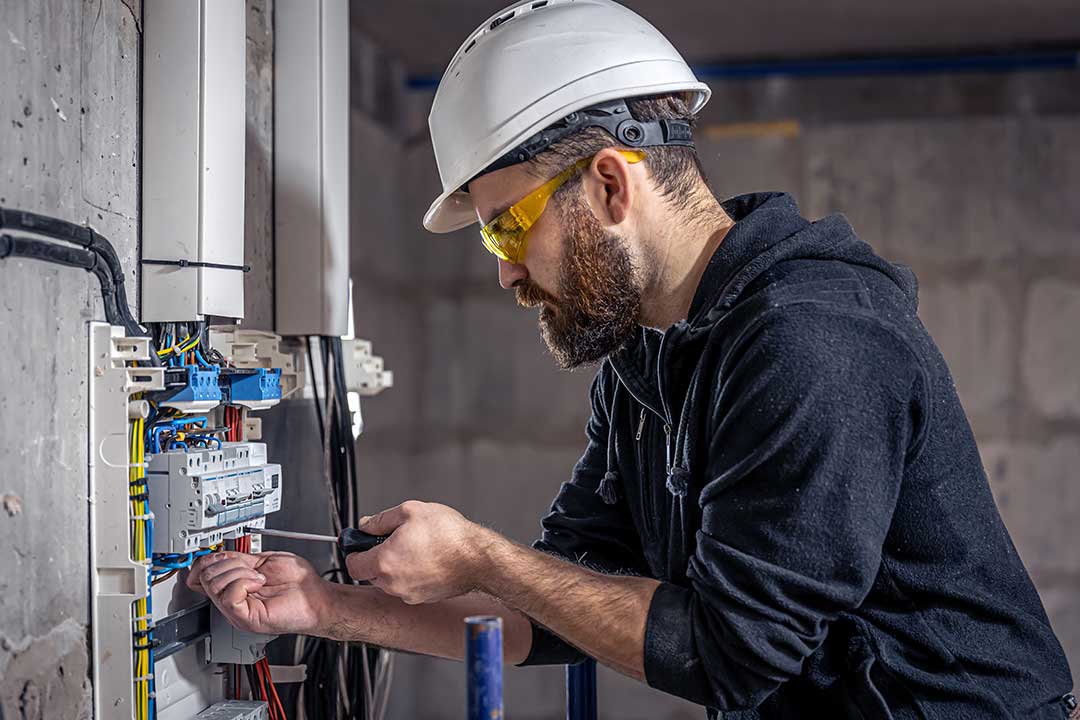
Warm weather and heavy air-conditioning use can increase electrical demand during summer in Cleveland. Winter heating equipment can create similar strain, especially when portable heaters are connected to circuits already serving other appliances. Seasonal demand does not make repeated breaker trips normal.
Water intrusion deserves particular attention. Panels located in garages, utility areas, basements, or other spaces exposed to humidity or leaks may develop corrosion that affects connections and protective devices.
Is it safe to work inside an electrical panel?
Resetting an accessible breaker is generally different from repairing or modifying a panel. Removing the panel cover exposes energized parts, and turning off the main breaker may not eliminate all electrical hazards inside the enclosure.
Homeowners should not add breakers, move wires, replace damaged components, tighten terminals, or install a larger main breaker without the required knowledge and authorization. Electrical alterations may also require permits and inspection under applicable Tennessee requirements.
A qualified electrician is necessary when the panel is damaged, repeatedly trips, shows signs of overheating, lacks capacity for a planned appliance, or needs rewiring or replacement. Safety concerns take priority over convenience because panel work can cause shock, arc flash, fire, or damage to connected equipment.
How can the panel be kept useful and safe?
Keep the area in front of the panel clear so the disconnect can be reached quickly. Do not use the panel enclosure or nearby wiring as storage support. The directory should be updated whenever circuits are added, removed, or reassigned.
Test GFCI and AFCI devices according to their instructions, recognizing that a test may interrupt power to several connected outlets or devices. Sensitive electronics, medical equipment, sump pumps, refrigeration, and heating controls may require additional planning before testing or resetting.
During home improvements, avoid assuming that an older panel can support new high-demand equipment. Heat pumps, electric water heaters, ranges, dryers, workshops, and vehicle charging equipment may require dedicated circuits or service changes. The panel’s available capacity should be evaluated before installation rather than after breakers begin tripping.
A clear panel directory, unobstructed access, functioning protective devices, and attention to unusual sounds or smells provide a practical foundation for electrical safety in area households.