

 See My Latest Article on HelloNation
Which Electrical Repairs Can Homeowners Safely Handle Themselves?
Basic tasks like replacing light switches, installing new light fixtures, or swapping out wall outlets are generally considered safe for handy homeowners, provided they take proper precautions. In Cleveland, older homes may have legacy wiring or fixtures that local residents might feel comfortable updating themselves, so long as they’re not modifying the underlying circuitry.
Simple, allowed DIY tasks might include:
- Changing a lightbulb or standard faceplate
- Replacing a fuse or resettable breaker in the main electrical panel — only when there are no underlying wiring issues
- Upgrading or changing a standard wall outlet (not GFCI) if the wiring is clearly labeled and there is no visible damage
- Installing wired smoke detectors if connecting to an existing junction box
Always turn off power at the breaker panel, confirm with a voltage tester that circuits are off, and consult city codes or permit requirements before starting. Many issues begin from skipping these safety steps.
When Are DIY Electrical Repairs Not Allowed or Not Safe?
Any work beyond fixture changes—like new wiring, adding circuits, moving or installing outlets, or repairs on main service panels—should not be tackled without proper training or required permits. In Cleveland, like most communities, city electrical codes closely follow state law. Unpermitted modifications can be hazardous and have implications for home insurance and safety.
Tasks that are unsafe or not permitted include:
- Running new electrical wiring through walls, ceilings, or floors
- Expanding or relocating circuits or outlets
- Upgrading the main electrical panel or breakers
- Installing outdoor power to sheds or garages
- Working on wiring with visible deterioration, water damage, or signs of rodents
- Making any repairs while the system is energized
Attempting these without proper experience can result in electrical shock, fire hazards, or code violations. Insurance claims may also be denied if evidence of unlicensed electrical work is found after an incident.
Do Local Regulations in Cleveland Affect What Homeowners Can Do?
Local building codes and permitting requirements are in place to keep residents safe. In the city, most electrical work that changes the structure of a system requires a permit and final inspection—even for owner-occupied homes.
Practically, this means:
- Replacing recessed lights with ceiling fans or heavy fixtures usually needs city approval
- Adding circuits or panels, even in garages or additions, almost always requires a permit and pass-through inspection after installation
Permit applications and inspection requests are typically processed through the city’s building department. Skipping this step is a frequent source of trouble for DIY renovators, especially during home sales or after insurance claims.
What Are Common Mistakes Local Residents Make with DIY Electrical Work?
Improper grounding, mismatched wire gauges, and overloading of circuits are among the most common errors. Many homes in the community have been remodeled multiple times, sometimes leaving outdated or confusing wiring.
Some frequent errors include:
- Installing outlets with reversed polarity
- Failing to connect the ground wire (or not recognizing older systems may not have ground wires)
- Tucking wires too tightly in boxes, risking short circuits
- Using the wrong breaker type for panel brands or amperage
- Not checking for aluminum wiring, which requires special connectors
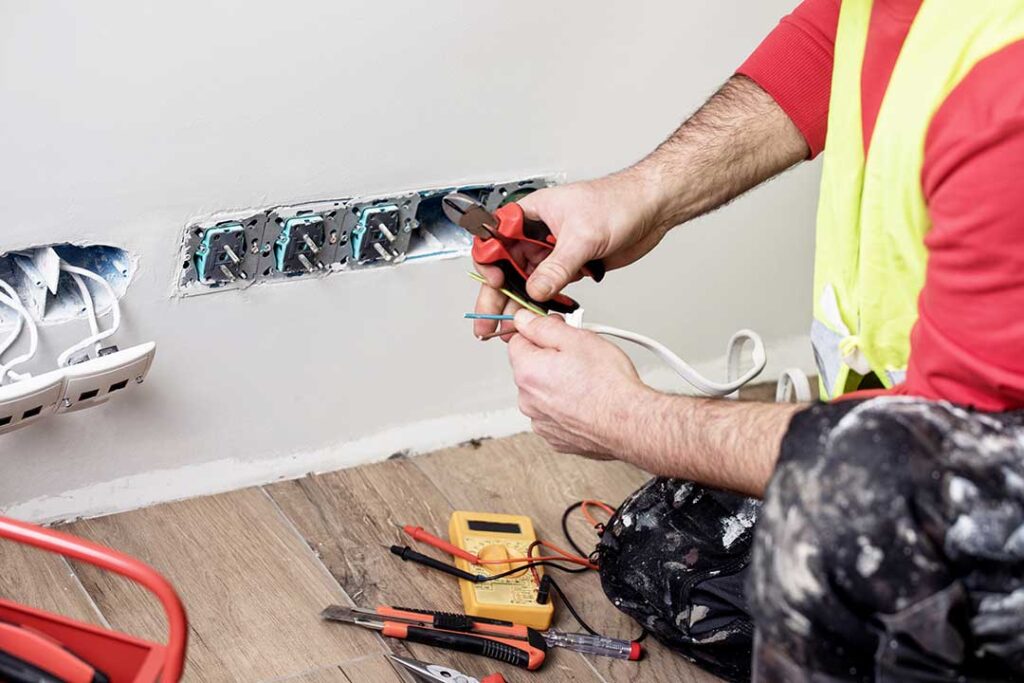
Even small mistakes can create significant risks, including shocks or fire. Carefully labeling every wire and circuit, double-checking connections, and following manufacturer instructions (including torque settings) can prevent many issues.
How Can Cleveland Residents Recognize When a Repair Is Beyond Their Skill Level?
If a task involves unfamiliar color codes, multiple wires of unclear origin, or unmarked circuits, it's usually out of the safe DIY zone. Uncertainty about whether an outlet is "live" even after flipping circuit breakers is a sign to stop and reassess.
Warning signs include:
- Wires are frayed, missing insulation, or hot to the touch
- The repair will affect more than one room, or is connected to HVAC, kitchen, or laundry equipment
- DIY guidance online doesn’t match the wiring configuration found at home
- There are any smells of burning or visible arcing (sparking)
Dimming lights, frequently tripped breakers, or outlets that feel warm to the touch all point to deeper issues that shouldn’t be self-repaired but instead brought to a qualified professional’s attention for safety.
What Seasonal or Weather-Related Risks Affect DIY Electrical Work Locally?
The climate in the area brings its own factors to consider. Humid summers and spring storms can increase moisture in basements, crawl spaces, or exterior outlets, raising the risk of short circuits and corrosion. Always double-check outdoor outlets and fixtures, and consider the impact of condensation when planning a project.
Homes with older wiring can experience issues from temperature swings, causing expansion and contraction at junction points. After heavy rainfall or sudden weather events, recheck that no water has entered outdoor or basement electrical boxes before doing any repair, as moisture can create hidden electrocution hazards.
What Should Residents Do Before Starting Any Electrical Project?
Review the city’s latest code requirements, turn off the power at the breaker, use a non-contact voltage tester to verify power is off, and take photos before disconnecting anything. Label wires clearly and keep a notepad with circuit details. Having a fire extinguisher rated for electrical fires nearby is a smart extra precaution.
Even if a repair seems straightforward, take the time to understand your home’s electrical panel labeling and any posted instructions. If in doubt about legal or safety requirements, seek information directly from city building officials or reputable code resources, rather than relying solely on online tutorials or hearsay.