

 See My Latest Article on HelloNation
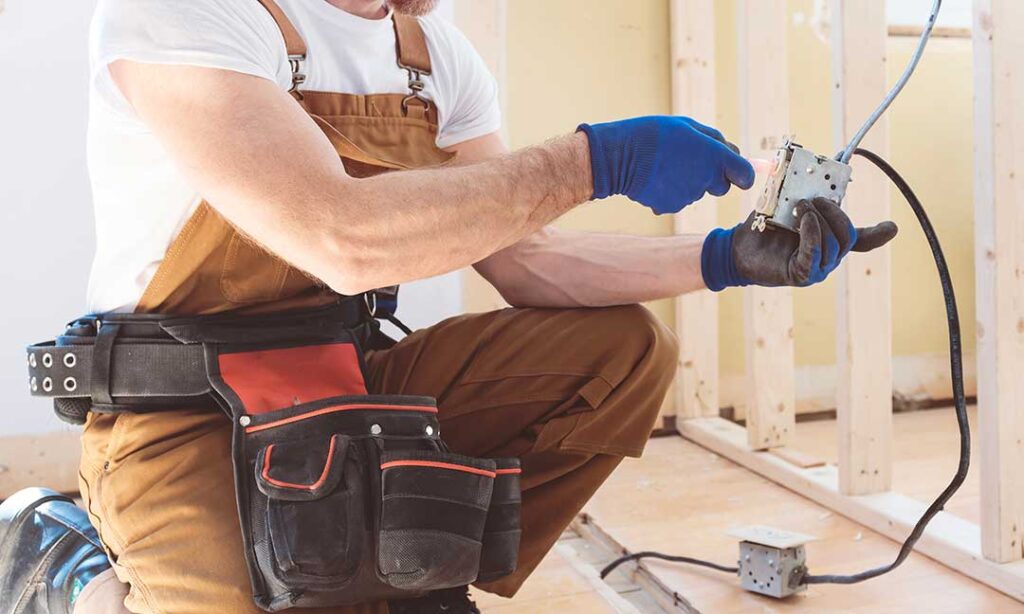
Electrical fires often begin with heat that builds unnoticed inside wiring, outlets, appliances, or power strips. In Cleveland, TN homes, older wiring, heavy seasonal heating and cooling use, storms, moisture, and crowded household circuits can all increase the chance of an electrical problem becoming a fire.
Most electrical fires are preventable when warning signs are taken seriously and equipment is used within safe limits.
What are the most common causes of electrical fires?
The leading causes usually involve overloaded circuits, damaged wiring, failing appliances, loose connections, or improper use of extension cords. Electrical components can become dangerous before flames or smoke appear.
Common causes include:
- Overloaded outlets and circuits
- Frayed, pinched, or damaged cords
- Loose wiring connections
- Aging electrical panels or wiring systems
- Misused extension cords and power strips
- Faulty appliances
- Recessed lights covered by insulation or other materials
- Improperly installed electrical work
- Water exposure near electrical equipment
- Space heaters placed too close to combustible items
An electrical fire may start inside a wall, outlet box, appliance, or panel. That is why unusual heat, odor, buzzing, or discoloration should not be ignored.
How does an overloaded circuit cause a fire?
A circuit becomes overloaded when connected equipment demands more electricity than the wiring and protective device were designed to handle. The wiring can heat up, and repeated overheating may damage insulation or nearby materials.
Portable heaters, air-conditioning equipment, refrigerators, freezers, hair dryers, kitchen appliances, and workshop tools can draw substantial power. Plugging several high-wattage devices into one outlet or power strip creates additional risk.
A circuit breaker that trips repeatedly is not simply an inconvenience. It may indicate an overload, short circuit, damaged appliance, or another electrical fault.
Safer practices include:
- Plug high-wattage appliances directly into a wall outlet when the instructions require it.
- Avoid using multiple power strips together.
- Do not treat a circuit breaker trip as something to reset repeatedly without finding the cause.
- Spread equipment across appropriate circuits instead of concentrating it in one area.
- Keep portable heaters on a stable surface with clear space around them.
A power strip adds outlets, but it does not increase the amount of electricity the circuit can safely carry.
Why are damaged cords and loose connections dangerous?
Cracked, cut, crushed, or overheated cords can expose conductors or allow electricity to arc. A cord running under a rug, through a doorway, or beneath furniture may be damaged by foot traffic and pressure. Pets may also chew insulation.
Loose connections create resistance, and resistance produces heat. This can occur at an outlet, switch, plug, light fixture, junction box, or panel connection. Signs include:
- Warm or discolored outlets
- Flickering lights
- A burning or melted-plastic smell
- Crackling, buzzing, or sizzling sounds
- Sparks when a plug is inserted or removed
- Plugs that fall out of outlets easily
Do not repair damaged cords with tape as a permanent solution. Do not use an outlet that is hot, scorched, loose, or making noise. Turn off power when it can be done safely and keep people away from the affected area until the hazard is properly addressed.
Can older homes have a higher electrical fire risk?
Older homes are not automatically unsafe, but electrical systems may not have been designed for the number and type of devices used today. A house that once served a few lamps and small appliances may now support computers, televisions, charging equipment, kitchen appliances, heating and cooling systems, and workshop tools.
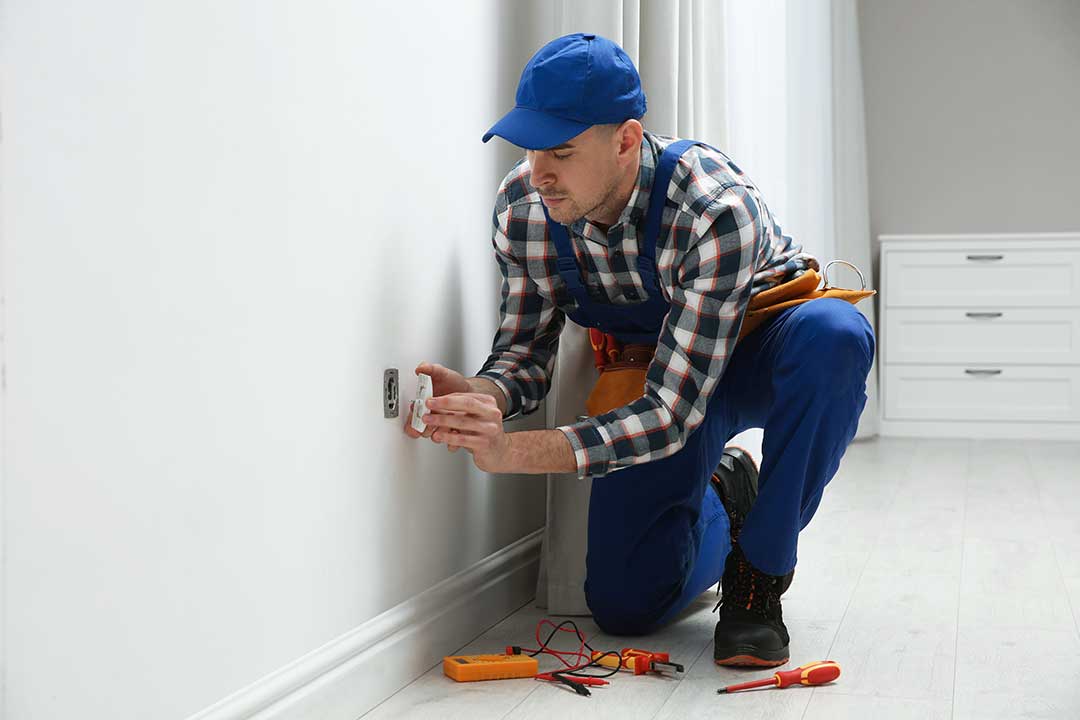
Older wiring may also have deteriorated insulation, outdated connections, limited grounding, or insufficient circuit capacity. Repeated remodeling can add another layer of risk if wiring was extended without proper planning.
Warning signs deserve attention even if the system has worked for years. A lack of tripped breakers does not prove that wiring is in good condition. Some loose or deteriorating connections can produce heat without immediately causing a breaker to trip.
Electrical work involving service panels, concealed wiring, grounding, or new circuits requires appropriate knowledge and compliance with applicable safety requirements. Attempting complex repairs without that knowledge can create a hidden fire and shock hazard.
How do appliances start electrical fires?
Appliances can cause fires because of internal electrical failures, damaged cords, blocked ventilation, mechanical problems, or overheating. Older appliances deserve extra observation, especially if they smell hot, make unusual sounds, trip breakers, or operate intermittently.
Laundry equipment requires particular care. Lint buildup can restrict airflow and provide fuel for a fire. Clean the dryer lint filter after every load, keep the vent system clear, and avoid operating the appliance if it is overheating or taking much longer than usual to dry clothes.
Kitchen appliances should be kept away from sinks and splashing water. Refrigerators and freezers need adequate airflow around their components. Do not use an appliance with a damaged plug, exposed wiring, or signs of melting.
Unplugging small appliances after use can reduce risk, especially items that produce heat. Follow the manufacturer’s instructions for clearance, ventilation, and approved power sources.
Are extension cords safe for everyday use?
Extension cords are intended for temporary use, not as permanent substitutes for additional wiring. Using a light-duty cord with a high-power appliance can cause the cord to heat excessively.
Never run extension cords:
- Under rugs or carpets
- Through walls, ceilings, or doorways
- Across walkways where they can be damaged
- In damp locations unless specifically rated for that use
- In place of properly installed outlets
Outdoor cords and equipment need protection from rain, standing water, and wet ground. Cleveland’s changing weather, strong storms, and humid conditions make it especially important to inspect outdoor cords before use and store them dry.
What electrical warning signs should residents never ignore?
Some warning signs require immediate attention because they suggest overheating, arcing, or damaged equipment. These include a burning odor, smoke, visible sparks, repeated breaker trips, hot outlets, flickering lights, and buzzing from a panel or fixture.
If smoke or flames are present, leave the building, keep others out, and call emergency services from a safe location. Never use water on a suspected electrical fire. Water can conduct electricity and increase the risk of shock.
For a small fire involving energized equipment, only use an extinguisher labeled for electrical fires if there is a clear escape route and the person using it knows how to operate it. Evacuation is the priority.
How can a household reduce electrical fire risk?
A practical prevention routine includes inspecting cords, keeping electrical equipment dry, avoiding overloaded outlets, and responding promptly to unusual heat or odor. Test smoke alarms regularly and replace batteries or units according to the manufacturer’s instructions. Smoke alarms should be located in and near sleeping areas and on each level of the home as required by applicable safety rules.
Keep combustible materials away from space heaters, light fixtures, electrical panels, and charging equipment. Do not charge damaged batteries or place charging devices under bedding or cushions, where heat can become trapped.
Before severe weather, unplug sensitive electronics if safe to do so and use surge protection appropriate for the equipment. After a storm, do not use electrical devices that have been wet or submerged. Water damage can remain dangerous even after equipment appears dry.
Electrical fire prevention is less about memorizing technical terms than recognizing heat, damage, moisture, and overloading as warning conditions. Prompt attention to those signs can prevent a small electrical defect from becoming a serious house fire.